Latest News

Snickers Workwear For Summer – Cooling Technology and Verifiable Sustainability

Snickers Workwear = Comfort = Wellbeing and Improved Performance.

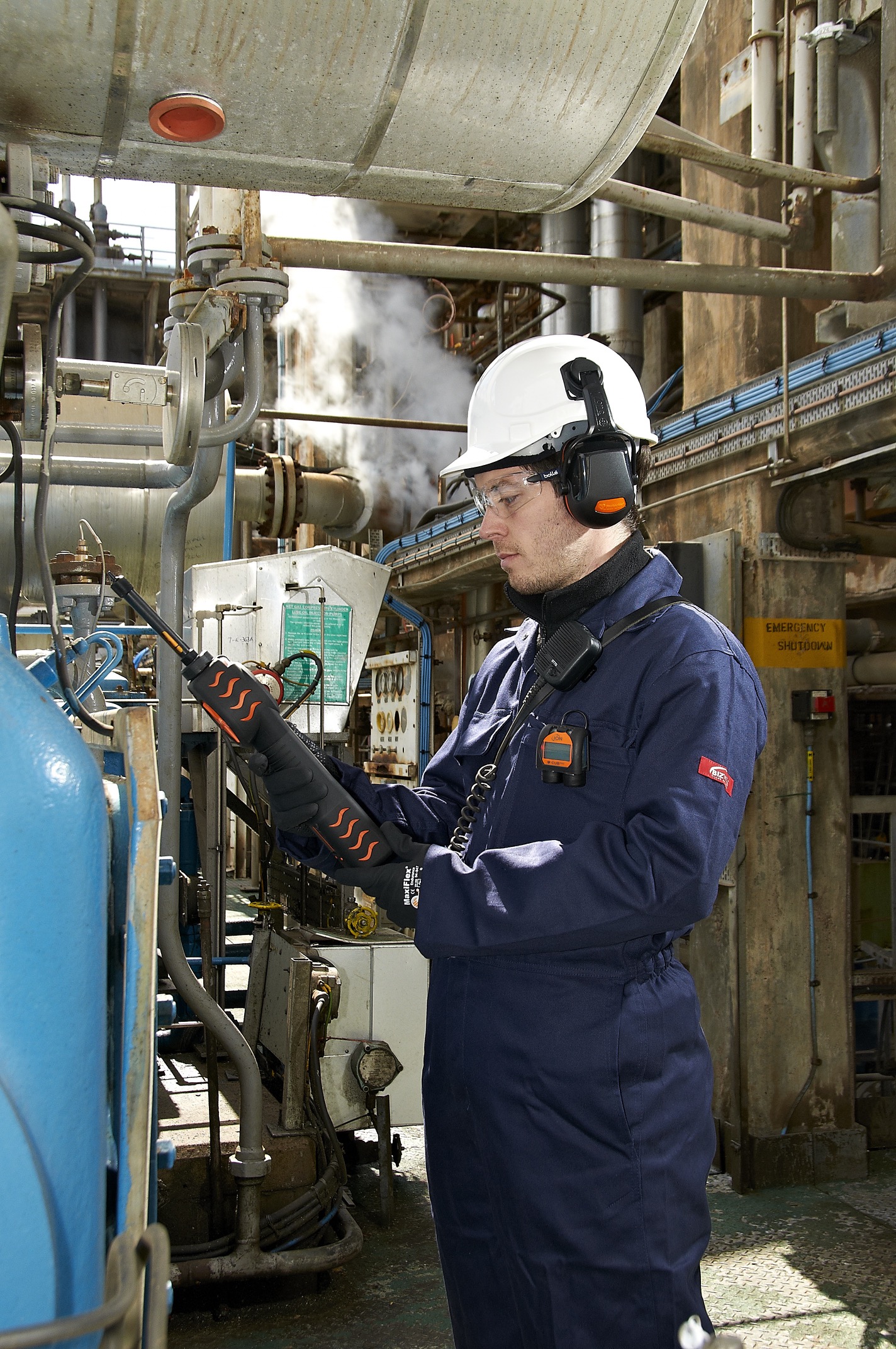
Everyone wants to be cool, and comfortable at work this summer – and to do their bit for saving the planet. That’s why Snickers Workwear has integrated improved 37.5® fabric technology and ‘Verifiable Sustainability’ into its T- and Polo-shirts. 

The new AllroundWork styles are made from highly functional waffle- structured 37.5® fabric for optimal ventilation, cooling and moisture transport to keep you feeling fresh for longer.

EMMA - Sustainably Responsible Safety Footwear

100% Circularity in Materials Technology to Improve Your Carbon Footprint.

EMMA will help you reduce your carbon footprint - by supplying Safety Footwear that’s completely made from a combination of recycled materials and materials that are recyclable. This ‘100% Circular’ footwear offering is changing the lifecycle of safety footwear as EMMA steps up to be an active part of individual and corporate sustainability programmes.

Every product in the EMMA range is safe for the environment with a ‘100% ‘Circular’ manufacturing, usage-mapping and recycling process for every shoe and boot produced under the EMMA brand – the supply-chain partner that’s totally committed to sustainability and reducing waste.

Summers Coming – Look before it’s too late!

Karl Lycett – Rittal UK’s Product Manager for Climate Control

Even before summertime hits, we have already seen some good BBQ weather, with the mercury rising and letting us enjoy the great outdoors.

Great for you, but it doesn’t bode as well for your electrical equipment.

At this point in the year, there probably won’t be any alarms on your cooling equipment and therefore you’re mind wanders to other important issues on your site which need more ready attention. Climate Control can wait… Right? 

“Reliability services, technologies, support & training

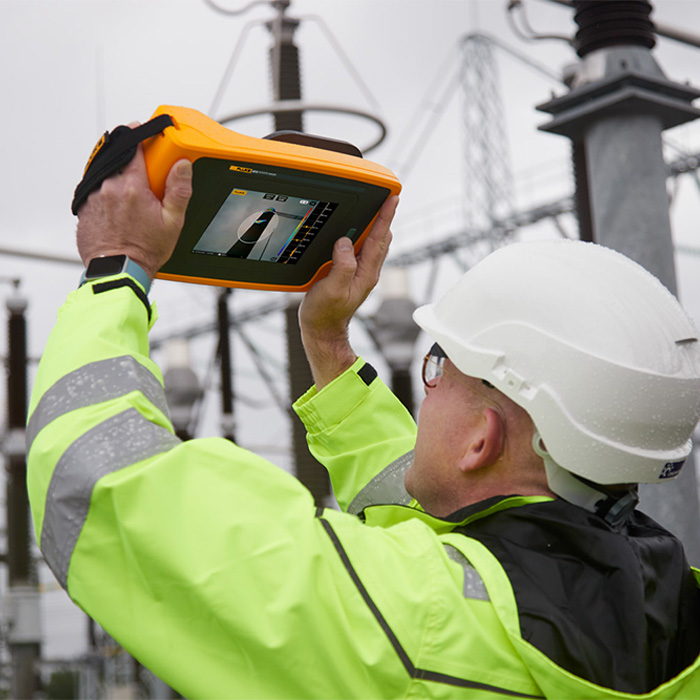
For more than 20 years RMS have provided a comprehensive range of reliability and condition-based maintenance (CBM) products, services, support, and professional training solutions. Our expertise encompasses: Vibration Analysis, Motion Amplification, Thermography, Oil, Balancing, Laser Alignment, Ultrasonic and Motor Analysis. 

Manufacturing the talent of tomorrow

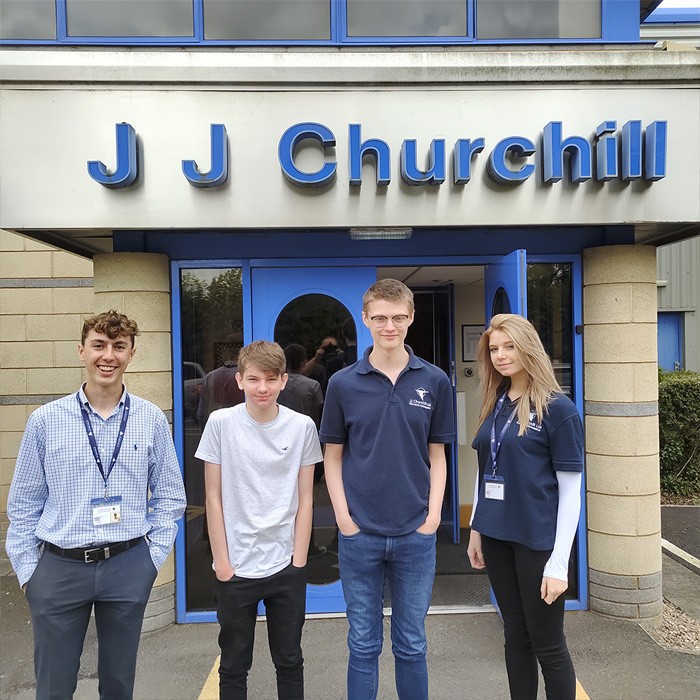
In a first for the UK manufacturing and engineering industry, Next Gen Makers has launched the Engineering Apprenticeships: Best Practice Programme – an initiative designed to support firms overcome skills challenges and build talent for future success.

Equipping manufacturers with the tools they need to better plan for, attract and retain apprentices, the Programme provides a host of resources to enable engineering and manufacturing firms of all sizes to replicate proven methods adopted by other businesses that have successfully run Apprenticeship schemes for some time. Resources include an expansive online video library containing video interviews with a variety of manufacturers successfully running apprenticeship schemes, a toolkit containing ‘how to’ guides and quarterly virtual peer-to-peer meetups to enable ideas sharing and problem solving. 

Can digitisation solve the engineering skills gap?

The acceleration of digitisation during the pandemic has brought into focus the opportunities digital training can offer, with the need to upskill and fill competency gaps with many teams still furloughed. Here Keith Tilley, CEO, Intoware explains how digitisation is addressing the skills gap on the factory floor.

The manufacturing skills gap in the UK has been well documented, according to PWC’s ‘Annual Manufacturing Report 2020’, British manufacturers are now facing the largest shortage of skilled workers since 1989, with many citing this as the biggest challenge.

How to Maintain Your Seals During Periods of No Use

It is vital to check your seals constantly whether the machinery is being used or not. Especially during periods of no use, this is the perfect time to check your seals for any signs of damage and wear that you may need to address. It’s important to do this as seal failures can lead to equipment problems which may be detrimental to your equipment and business. 

Whether you deal with hydraulic or pneumatic seals such as wiper seals, they must be able to withstand a range of environments and practises such as extreme temperatures, high pressures, chemicals and contamination. 

In this article, we will give you some tips on what to watch out for when looking for problems in your seals and how to maintain your seals during a period when they are not being used. 

Composite Pipe Repair Extends Pipe Life By 20 Years & Cuts Costs For EDF

The decision by power generation company EDF to repair, rather than replace, leaking pipework at its nuclear power plant in Bugey has proved hugely beneficial both practically and financially.

Maintenance engineers used Henkel’s LOCTITE® Composite Pipe Repair System to restore the integrity of 170m of fresh water pipes, a process that was undertaken without the need to stop production and at a cost that was 35% less than the replacement value. 

The LOCTITE Composite Pipe Repair System is a sustainable solution that has already proven its cost-effectiveness across many industrial sectors including energy and petrochemical production, paper converting, water treatment and chemical processing.  And in common with other users, it has enabled EDF to extend the service life of its damaged steel pipes by up to 20 years with a repair that is certified to the global quality standard, ISO 24817.

Bearing The Cost Of Failure In High-Load Applications

Bearing failures can be costly, disruptive and in some cases dangerous. Ian Breeze, Technical Director for Bowman International, considers three of the main reasons for bearing failure in high-load environments – and explores why it is so important to make the right decision first time. 

There are three main reasons for bearing failure: bearing fatigue, poor maintenance practices and the incorrect selection bearing material. In high-load applications, these potential points of failure are amplified, but addressing them during the specification process could help designers and decision-making engineers to make the right decision first time. In doing so, many facilities can harness untapped performance, time and cost efficiencies that they were unaware of.

The evolution of the high-speed door

The industrial door has come a long way since the introduction of the high-speed door concept in the mid-1980s writes Chris Dobson. 

The oldest British manufacturer of the high-speed is Hart Doors Systems (Hart Doors) of Newcastle upon Tyne. Its chairman, Doug Hart, says he had been looking at his own factory where access was via hand operated roller shutters. “Every time access was required it took several minutes to open/close the shutters during which time the outside world blew in. This was bad for heating costs and especially bad for the working environment,” says Doug Hart, chairman, Hart Doors. 

King’s Roll Out the Red Carpet

When leading UK carpet manufacturer Adam Carpets decided to replace their existing boiler plant, they approached boiler manufacturers for costings on two new 2,700kg/hr boilers. 

However, high prices and long delivery lead times prompted Adam Carpets’ Director, Chris Adam, to contact boiler specialist KING’S BOILERS enquiring if they had similar boilers in stock. Being the UK’s leading supplier of refurbished boiler plant, Kings were pleased to say they had three matching Cochran Thermax boilers complete with dual fuel burners and PM5 controls.

This website is owned and operated by: MSL Media Limited

msl logo
www.mslmedialtd.com

Co. Number: 05359182

© 2005 MSL Media Ltd. All rights reserved. E&OE

ems logo mobile