Restoring Refinery Capacity Through Online Tube Stabilization of a Fired Heater
Introduction
Vacuum furnaces operate under high thermal and mechanical demands, making tube integrity essential for safe, continuous production. One of the most serious mechanical threats in these units is tube displacement. It is the physical movement, bowing, or sagging of process tubes caused by uneven thermal expansion or failure of supporting mechanisms. If not addressed, tube displacement can quickly raise tube metal temperatures, accelerate coking, and in severe cases cause tube rupture with serious safety and operational impacts.
Beyond the immediate equipment risk, such failures can force unplanned shutdowns of critical refinery units, resulting in substantial production losses, downstream unit disruptions, and potential impacts on fuel supply to regional markets. From a safety and environmental standpoint, delayed intervention can place operating personnel and surrounding communities at significant risk.
This article examines how a European refinery encountered tube displacement and explains the mechanisms behind the issue. It also describes how international engineers resolved a tube displacement incident and safely restored 100% furnace capacity through rapid, online stabilization - without shutdown, production loss, or intrusive repairs.
Tube Displacement and Immediate Capacity Loss
Tube displacement is typically caused by one or a combination of the following:
- Uneven Heating / Thermal Expansion: Tubes expand when heated, but if heat distribution is uneven, due to flame impingement, maldistributed process fluid, or internal phase separation, the tubes elongate at different rates and begin to bow or sag.
- Failed or Damaged Supports: Tube hangers and guides are designed to maintain alignment while allowing for predictable thermal expansion. When these supports deform, corrode, or fail at temperature, the tubes can drop out of position.
- Restricted Expansion: When a tube is prevented from expanding freely, internal stresses build until the tube bends. A common example is a drain connection or lower bend becoming stuck on the furnace floor.
-
- Coke Formation: Coke acts as an insulator, increasing the TMT and promoting material creep - gradual elongation under mechanical load. As creep progresses, tubes can visibly bow or slip off supports.
- External Corrosion / Sulfidation: Aggressive flue gases and molten ash can thin tube walls or degrade supports, reducing structural strength.
-
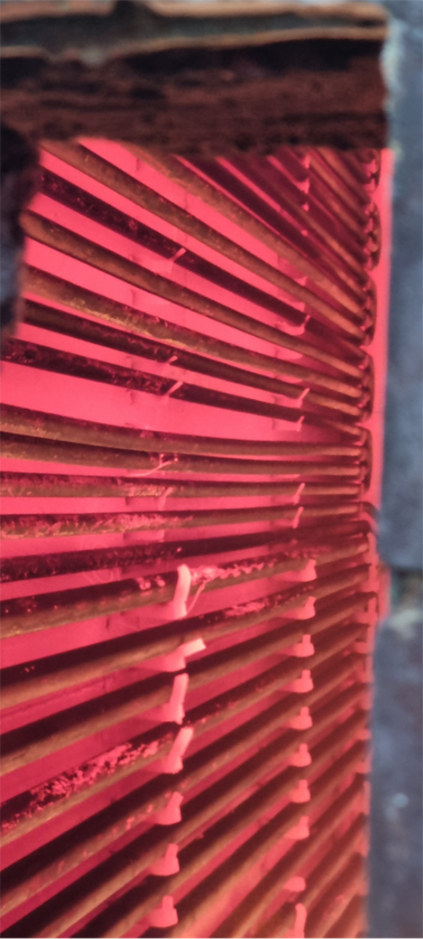
Figure 1. Bent or deformed end supports observed during the initial inspection.
When tube displacement occurs in a vacuum furnace, the operational consequences can be immediate and severe. Displaced tubes experience localized overheating, pushing materials closer to their creep limits and dramatically increasing the probability of rupture. In high- -
throughput refineries, even a partial capacity reduction can translate into millions of dollars in lost margin within days.
Case Study – Online Tube Stabilization Solution
In this case study, refinery personnel conducting a live inspection discovered multiple radiant tubes inside a vacuum furnace had slipped from their supports. Some were completely unsupported; others were at risk due to bent or missing hanger components. Because displaced tubes are far more susceptible to overheating and rupture, the plant immediately reduced furnace throughput to 50% to prevent escalation.
Had the situation progressed unchecked, the consequences could have been far-reaching: a forced shutdown of the vacuum unit, cascading impacts on downstream conversion units, loss of critical product streams, and a heightened safety risk for operating personnel. In the worst-case scenario, a tube rupture could have resulted in fire, equipment damage, and environmental exposure.
Initial estimates suggested that only six tubes required stabilization. However, a detailed live inspection using Lancescope™ technology revealed that more than 20 tubes exhibited displacement or complete support failure - over three times the original expectation. With the heater online and feeding critical downstream units, the refinery required a fast, safe, and non-intrusive solution to prevent further movement and restore full processing capacity.
Drawing on decades of multi-year international experience stabilizing fired heaters across Europe, the Middle East, Asia, and the Americas, the response team knew they had to mobilize immediately. The project was executed by a highly specialized field engineering group with deep expertise in high-temperature mechanical design, online inspection, and precision installation under live operating conditions.
Monitoring and Inspection Approaches
To understand both the root cause and the severity of tube displacement, refineries typically rely on a combination of inspection and diagnostic tools:
- Visual Inspection: During shutdowns, bowed tubes and damaged supports are identified manually.
- Hot Inspection: Technologies such as Lancescope enable internal inspections at temperatures up to ~3000°F (1650°C), revealing coke buildup, hot spots, and internal damage without shutting down.
-
- Tube Metal Temperature Monitoring: Thermocouples and infrared pyrometers detect localized high-TMT regions associated with displacement or coking.
- Stress Analysis: Engineering models quantify thermal expansion, stress distribution, and deviation from design conditions.
These methods help determine whether corrective action can be taken online or whether immediate shutdown is unavoidable.
In this case, a carefully engineered online repair strategy was selected. Technicians stabilized all displaced tubes while the furnace remained fully operational. Using existing inspection ports and newly created access points, custom-designed mechanical supports were installed and welded into place at temperature. This immediately prevented further tube movement and reduced the risk of overheating or rupture.
As the project scope quickly expanded, additional equipment had to be secured on short notice. Leveraging our global network, hardware was supplied from other business units, while local manufacturing handled other components to maintain momentum and prevent delays.
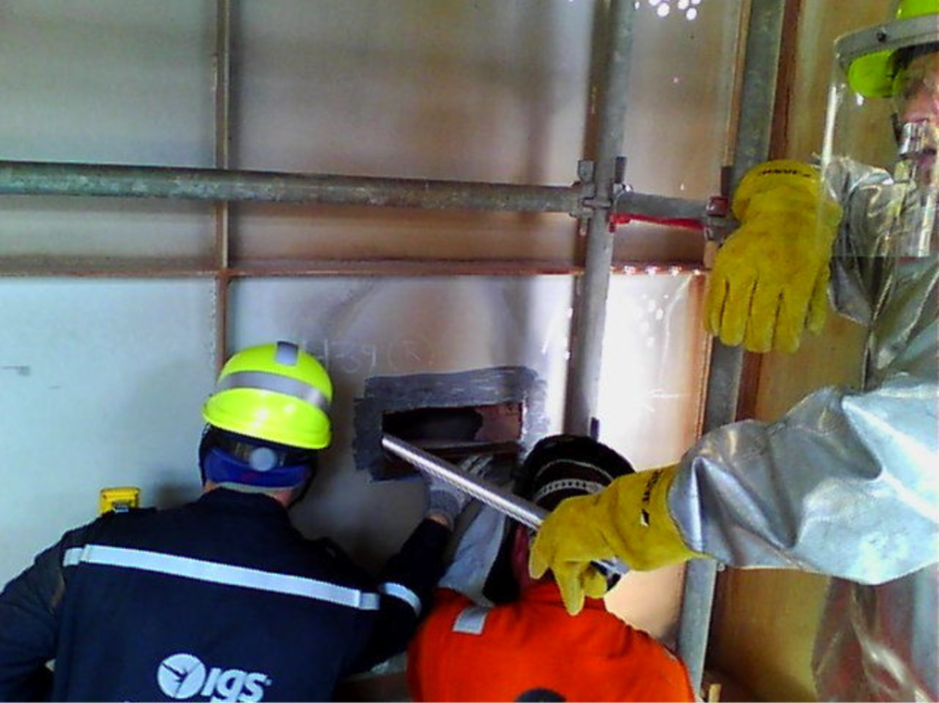
- Figure 2. Hot-Tek™ team preparing the access window as the J Hook is positioned.
-
Execution Highlights
- All work completed during full operation across eight days
- More than 20 tubes stabilized - over six times the original scope
- Ports accessed and resealed with refractory after installation
- IR scans verified the absence of hot spots following stabilization
- Zero safety incidents during the operation
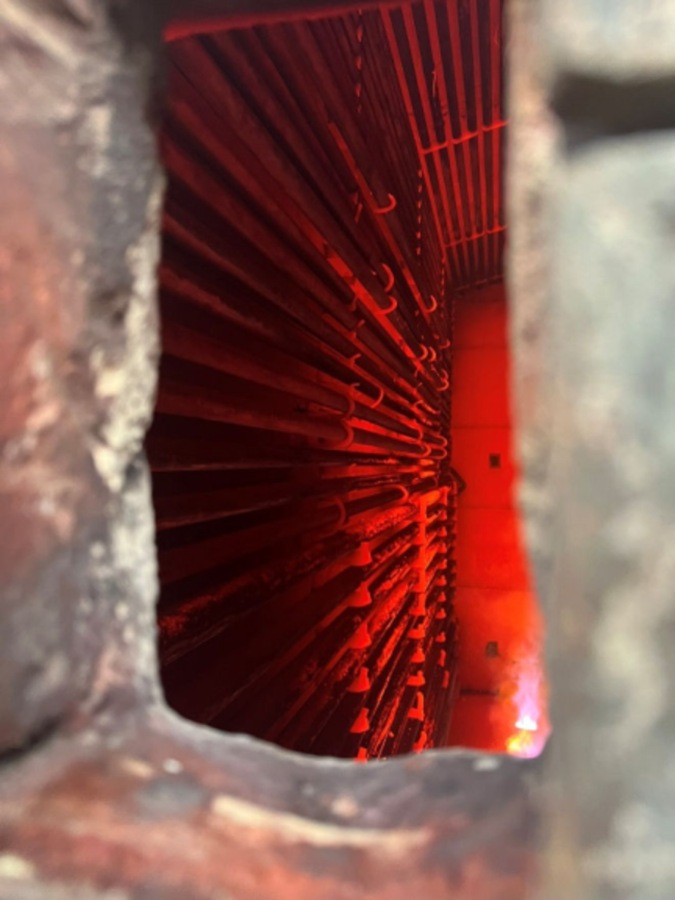
- Figure 3. Post-stabilization tube condition
-
Conclusion
Through rapid mobilization, engineered supports, and real-time safety management, the refinery successfully restored furnace throughput from 50% back to 100% with zero downtime and no loss of production.
As the refinery’s deputy manager later stated during a site meeting: “You saved us in a very dangerous situation and you proved your extreme engineered capabilities in the field.”
This case demonstrates the value of online repair technologies in protecting fired-heater assets, preventing forced outages, and ensuring safe, reliable operation, even when displacement issues emerge during full-rate operation.
www.integratedglobal.com

Explore EMS
More Editorial
Directory
This website is owned and operated by: MSL Media Limited

Co. Number: 05359182
© 2005 MSL Media Ltd. All rights reserved. E&OE