
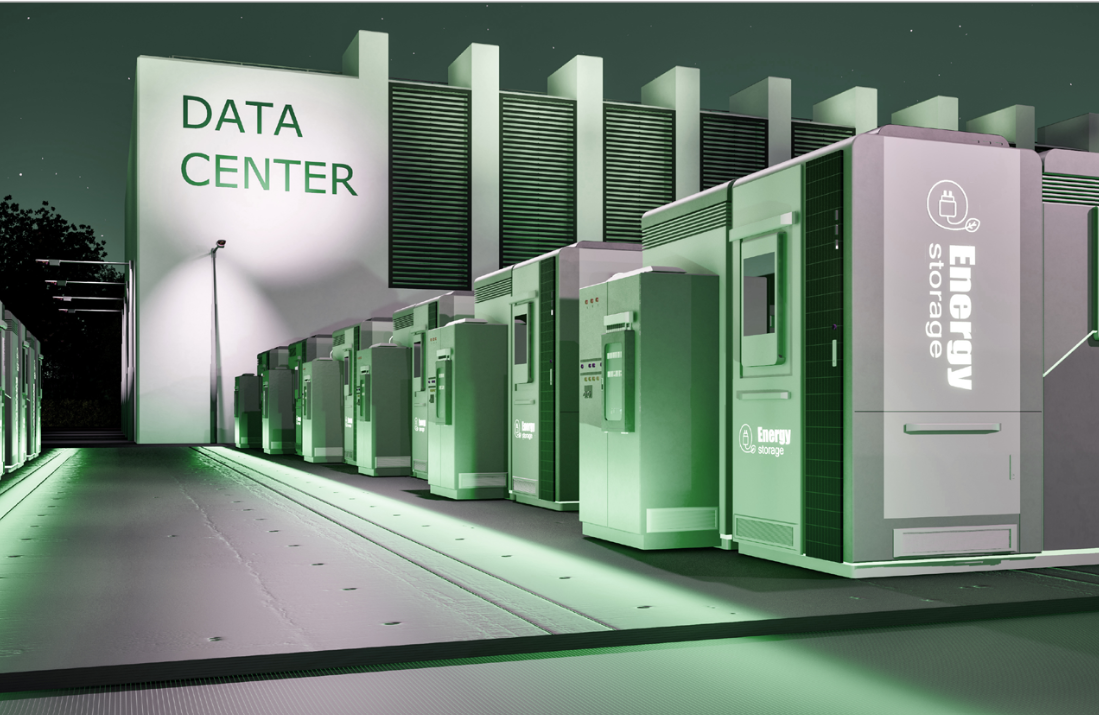
As AI workloads, cloud demand and rack densities increase, cooling is becoming one of the most critical elements of data centre performance. High-density computing environments generate more heat in a smaller footprint, driving greater use of advanced liquid cooling and other high-capacity thermal-management systems. These technologies can support demanding workloads, but they also reduce the margin for error.
In this environment, cooling resilience cannot begin at the point of failure. It must start earlier, with the ability to identify small changes before they develop into a wider operational issue.
The margin for cooling disruption is shrinking
Traditional data centres often benefited from a degree of thermal buffer. Lower rack densities and large volumes of conditioned air could provide teams with more time to respond when cooling performance began to decline.
High-density AI environments are different. Greater heat loads mean temperatures can rise more quickly if cooling capacity is reduced. A minor loss of performance that may once have developed gradually can now place equipment, uptime and service-level commitments at risk much sooner.
This changes the role of refrigerant leak detection. Rather than treating detection solely as a compliance or safety requirement, design and engineering teams increasingly need to consider it as part of the facility’s wider cooling-resilience strategy.
Cooling disruption can begin before an alarm
Refrigerant leaks are not always sudden or immediately visible. A small leak can develop gradually at a joint, valve, seal or other component, allowing the system’s refrigerant charge to decline over time.
Initially, the cooling system may compensate. Compressors may run for longer, controls may adjust and temperature set points may continue to be maintained. From an operational perspective, the system can appear to be functioning normally even though its performance has begun to change.
As refrigerant levels continue to fall, cooling equipment may work harder to maintain the required output. This can contribute to increased energy use, place additional strain on system components and gradually reduce the cooling capacity available to the facility. In a high-density environment, continued refrigerant loss may eventually lead to a low-pressure trip or an inability to meet the thermal load. By that point, the opportunity for planned intervention may have narrowed considerably.
The challenge is that detection systems intended primarily to identify higher refrigerant concentrations may not alert teams during the earliest stages of a leak. A critical alarm can confirm that action is required, but it may not provide the earliest opportunity to respond.
Early detection should begin at the design stage
Cooling resilience is strengthened when refrigerant detection is considered during system design rather than added late in the project. Design teams can identify likely leak points, plan suitable sampling locations and determine how detection information will connect with building-management or facility-monitoring systems. Aspirated sampling pipework can also be incorporated while plant layouts, service routes and access requirements are still being developed.
This early consideration is particularly important in large or complex cooling installations, where multiple pieces of equipment may need to be monitored across separate plant areas. The location of sampling
points can influence how quickly a developing leak is detected and how easily teams can identify its likely source.
During commissioning, high-sensitivity detection can provide another layer of visibility. It can help engineering teams identify low-level refrigerant presence, installation issues or emerging leaks before the cooling infrastructure is handed over to the operator.
Once the facility is live, the same system can support a more proactive maintenance strategy by showing where refrigerant is being detected and how readings are changing over time. This gives teams an opportunity to investigate while cooling equipment is still operating, rather than waiting for a fault, pressure trip or loss of capacity.
How aspirated refrigerant detection supports earlier visibility
Aspirated refrigerant detection continuously draws air from multiple sampling locations back to a central sensor for analysis. This allows several plant areas or potential leak points to be monitored from one system while still providing zone-specific information. Sampling points can be positioned close to chillers, compressors, valves and other areas where refrigerant leaks may develop.
The Bacharach® Multi-Zone gas monitor from MSA Safety uses infrared sensing technology to detect supported refrigerants at concentrations as low as 1 ppm. A single monitor can sequentially sample up to 16 zones, giving design, commissioning and maintenance teams greater visibility across complex cooling infrastructure.
This high-sensitivity approach can help identify low-level refrigerant presence before it develops into a more significant loss of charge. When detection information is connected to wider monitoring and alerting systems, teams can also review readings remotely, examine trends and prioritise investigation according to the location and development of an event. The value is not simply in generating another alarm. It is in providing actionable information earlier in the progression of a leak.
Cooling resilience starts before failure
As computing densities rise, data centres have less tolerance for unnoticed cooling degradation. A critical alarm may indicate that cooling performance is already at risk. Early leak detection provides an opportunity to act sooner, while the system is still operating and before a low-level issue becomes a wider cooling disruption.
By integrating high-sensitivity refrigerant detection into design, commissioning and maintenance strategies, data centre teams can gain better visibility of emerging risk and take a more proactive approach to protecting cooling performance and uptime.
Explore how the Bacharach Multi-Zone gas monitor can support earlier refrigerant leak detection across critical data centre cooling infrastructure. Contact MSA Safety to discuss your application with a refrigerant-detection specialist.
*Bacharach is a trademark of MSA Technology, LLC, registered in the United States and other countries and regions. Trademark wording and designation should be confirmed by MSA before publication.