
Lisa Fitzpatrick, Senior Manager, Safety and Environment Europe
Every organisation shares the same fundamental goal: helping to ensure team members go home safely at the end of the day.
Yet even when teams believe they have done everything right, incidents can still occur. In environments where risks such as working at height exist, even strong safety systems can be tested.
Reporting plays a vital role in identifying opportunities to proactively reduce injuries and incidents. The true value of reporting is realised when reports are translated into meaningful safety improvements.
For engineering and maintenance professionals, turning incident data into action requires a structured approach built on open reporting, thorough analysis, effective prevention strategies and a strong safety culture.
Open Reporting
Open reporting leans on a culture of learning and improvement, encouraging workers to actively identify and report issues to enable organisations to understand what happened, the true root causes and implement effective controls to prevent recurrence.
Alongside this culture, reporting tools should be simple, accessible and easy to understand to reduce barriers and encourage consistent reporting.
The easier it is to report incidents or near misses, the more complete and valuable the safety data becomes.
Accident Analysis
Investigating incidents thoroughly is essential to identifying the true root cause. Without proper analysis, corrective actions may only address symptoms, leaving underlying risks in place and increasing the likelihood of recurrence.
Common and effective tools include the 5 Whys technique and fishbone (Ishikawa) diagrams, which systematically explores underlying causes until the root cause is identified. Fishbone diagrams help teams examine contributing factors across categories such as materials, methods, processes, people, environment and equipment.
According to HSE data, working at height remains one of the biggest causes of fatalities and major injuries.¹ Applying structured investigation and analysis methods can significantly
improve the selection of effective control measure to help reduce the risk of future incidents.
Prevention Strategies
When planning any task, the first question should be: Is there an alternative way to do this?
HSE guidance is clear: if work at height can be avoided, it should be. Where it cannot be eliminated, controls should follow the recognised hierarchy: elimination, substitution, engineering controls, administrative controls and personal protective equipment (PPE).
Engineering and collective safety measures should form the foundation of any prevention plan, supported by policies, procedures and training whenever elimination isn’t possible.
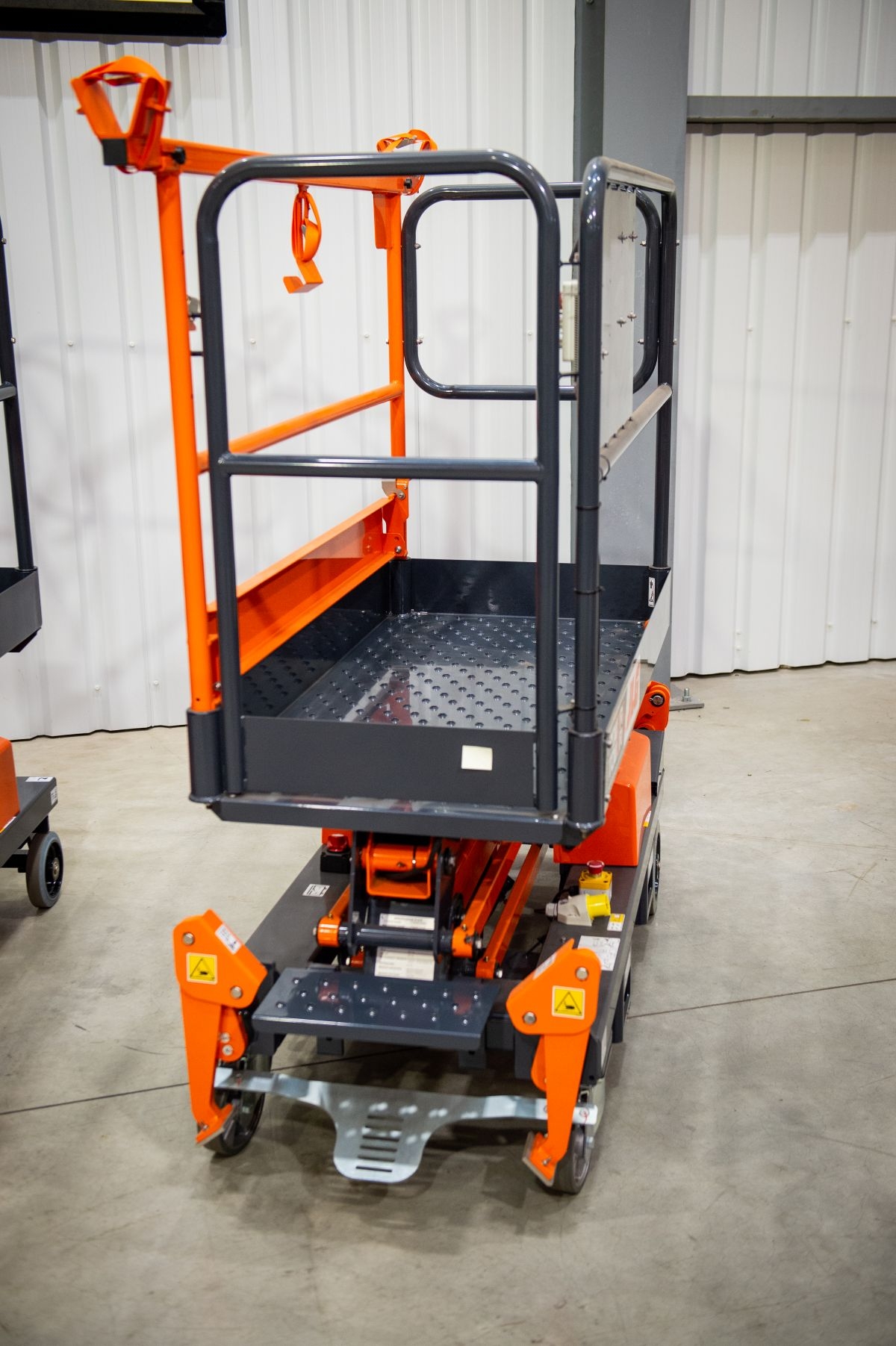
This principle is reflected in the design of JLG Power Towers' low-level access equipment, which is engineered to help reduce risk at source through features including fully guarded platforms and stable working platforms. By prioritising safety from the outset, such equipment may support safe working practices when tasks at height cannot be avoided.
Fostering a Safety Culture
Strong safety systems are built on people feeling responsible, supported and empowered.
When employees feel confident to report concerns and contribute ideas, organisations move from reactive safety management to proactive risk prevention.
When supported by open reporting, thorough analysis, preventative planning and a strong safety culture, they can become one of the most powerful tools in supporting risk reduction and protecting people.
Introduction to working at height safely - HSE