Maintenance teams face a constant challenge: identifying problems before they become failures. While some issues reveal themselves through alarms, leaks, or breakdowns, many develop quietly over time, hidden behind walls, inside equipment, or within hard-to-reach areas. By the time visible symptoms appear, the resulting downtime, repair costs, and operational disruption can be significant.
The Cost of Hidden Problems
Moisture intrusion, corrosion, overheating electrical components, and internal equipment degradation are common examples of issues that can remain undetected during routine inspections. A small water leak behind a wall can eventually lead to structural damage, mold growth, or equipment failure. Similarly, a loose electrical connection may generate excess heat long before it causes an outage or safety incident.
For maintenance professionals, the challenge is not simply fixing problems but finding them early enough to avoid costly consequences and unplanned downtime.
Finding What You Can't See
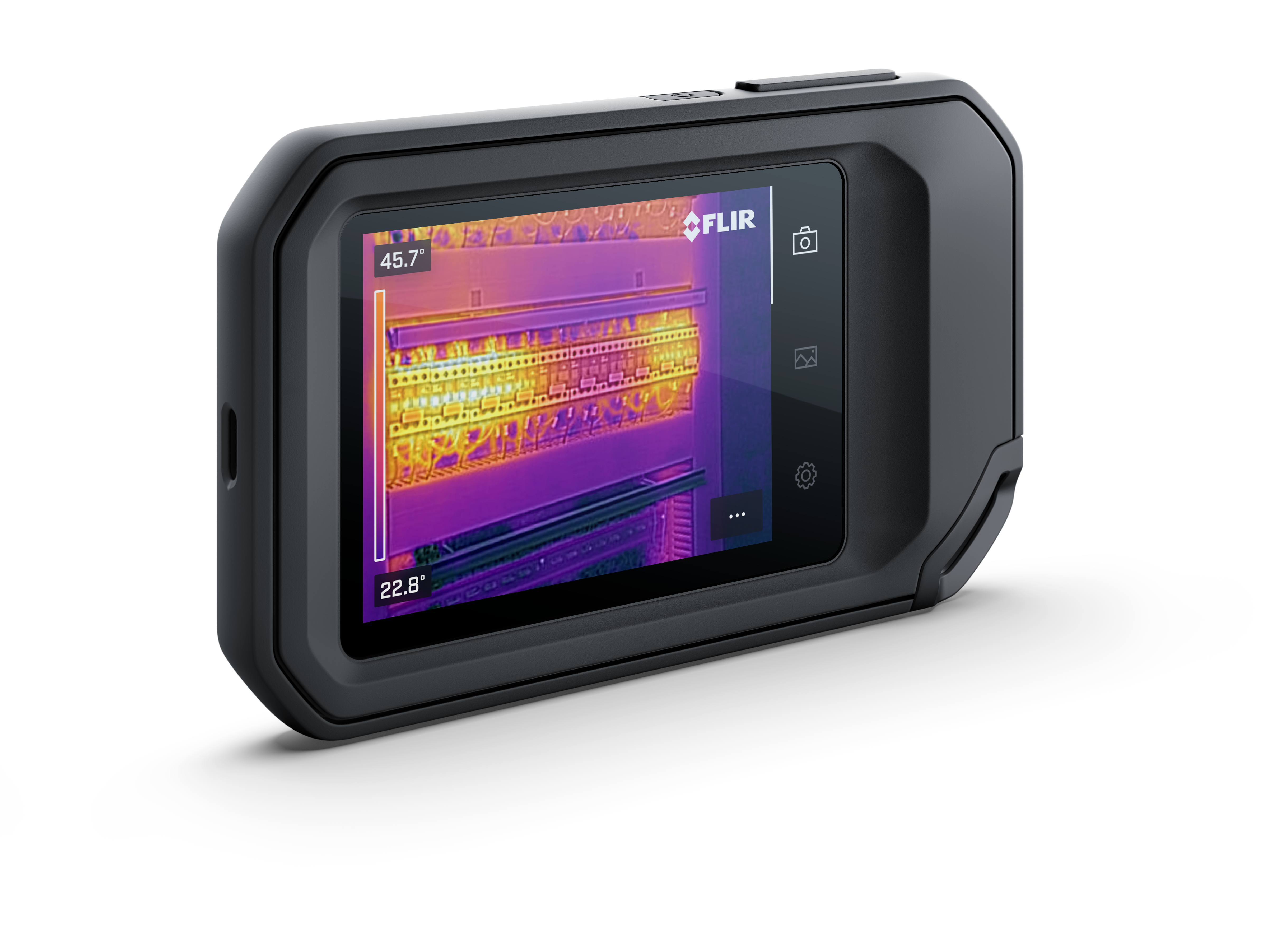
Modern inspection technologies help maintenance teams move beyond traditional visual checks. Thermal imaging has become a valuable tool for identifying temperature anomalies associated with electrical faults, overloaded circuits, failing components, and insulation or moisture issues. Compact thermal cameras such as the Flir C8 allow technicians to quickly scan equipment and facilities, helping pinpoint areas that require further investigation.
When moisture is suspected, dedicated moisture meters provide additional insight. The Flir MR277 combines thermal imaging and moisture measurement, while the MR59 pinless moisture meter helps assess moisture levels behind surfaces without causing damage. Together, these tools provide a more complete understanding of asset condition before minor issues develop into expensive repairs.
Looking Inside Without Disassembly
Even after a potential problem has been identified, gaining access to the affected area can present another challenge. Disassembling equipment or opening structures for inspection can be time-consuming, disruptive, and costly.
Inspection cameras and videoscopes offer a practical alternative. Solutions such as the Flir VS80 enable technicians to inspect machinery, ducts, wall cavities, and other confined spaces without extensive dismantling. By providing a direct view inside hard-to-reach areas, inspection cameras help verify findings, reduce troubleshooting time, and improve confidence in maintenance decisions.
A Practical Inspection Workflow
Many organizations are adopting a layered inspection approach. A technician might begin with a thermal scan using a Flir C8 to identify abnormal heat patterns. If water ingress is suspected, a Flir MR277 or MR59 can help verify the presence and extent of moisture. A Flir VS80 can then be used to inspect inside the affected area and confirm the root cause.
Compatible devices can also connect through the METERLiNK® app, enabling data sharing, remote monitoring, and more efficient documentation. This helps teams keep inspection records organized and communicate findings more effectively between the field and the office.
Beyond Individual Tools
The most effective maintenance programs combine multiple sensing technologies. Alongside thermal cameras, moisture meters, and inspection cameras, Flir's portfolio includes electrical test tools, acoustic imaging systems, and fixed monitoring solutions. Together, these technologies help maintenance teams detect issues earlier, make better-informed decisions, and take a more proactive approach to asset management.
Ultimately, the goal is simple: make hidden problems visible before they become costly failures. For organizations focused on reliability, efficiency, and asset longevity, that visibility can make all the difference. Learn more at www.flir.com.