
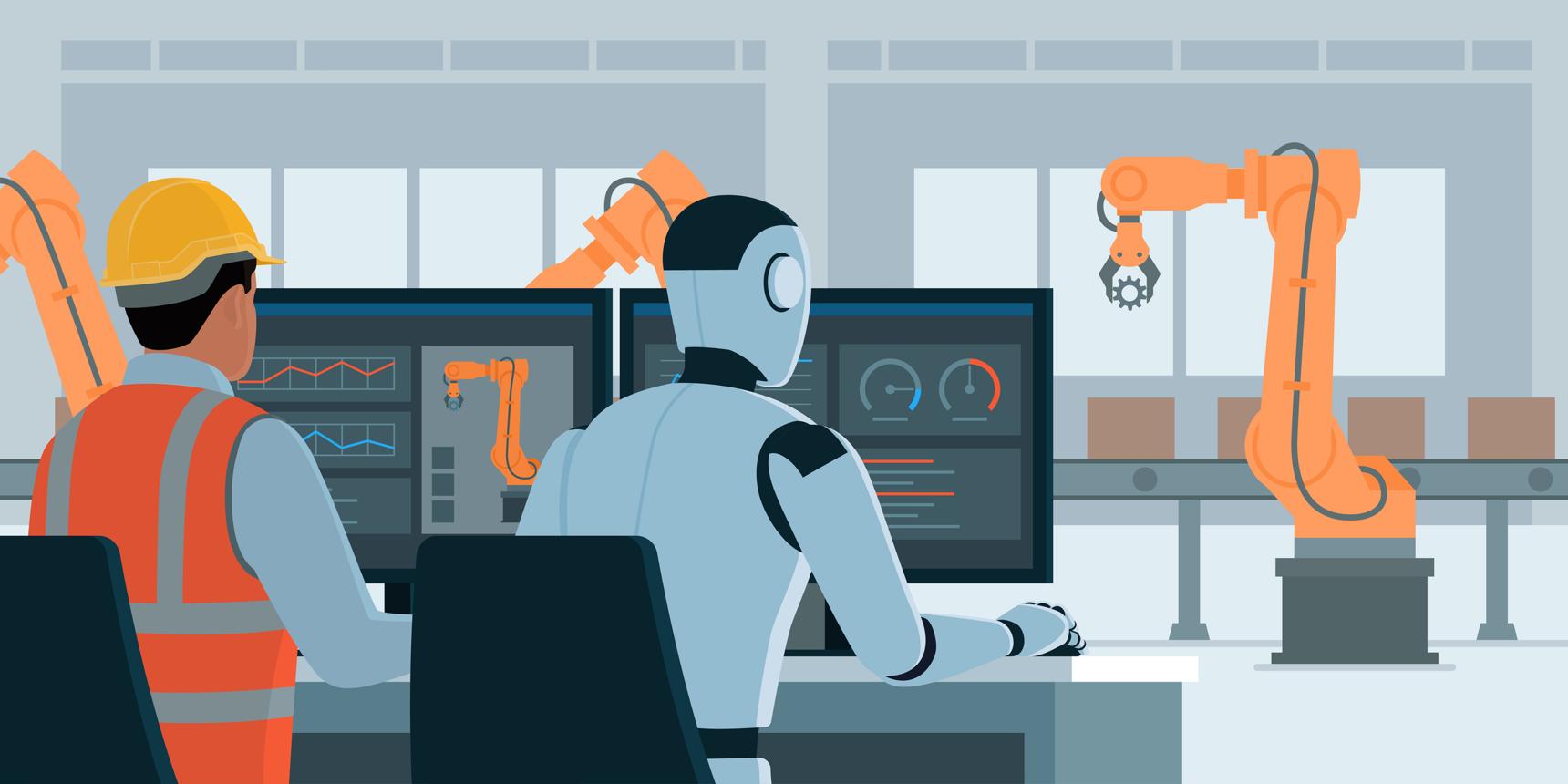
Leveraging AI-Powered Predictive Maintenance to Improve Reliability and Asset Performance
For many manufacturers, unplanned downtime remains one of the biggest challenges affecting productivity, maintenance budgets and operational efficiency. Traditional maintenance strategies such as reactive repairs or time-based preventative maintenance often result in unnecessary interventions or unexpected equipment failures.
A leading UK manufacturing facility recently implemented an Artificial Intelligence (AI) driven predictive maintenance programme to address recurring issues with critical rotating equipment, including pumps, motors and gearboxes.
The Challenge
The facility operated a range of production assets running continuously across multiple shifts. Despite having a preventative maintenance programme in place, the maintenance team continued to experience unexpected failures, particularly involving electric motors and bearing assemblies.
These failures resulted in:
- Production interruptions
- Increased maintenance costs
- Emergency contractor callouts
- Higher spare parts consumption
- Reduced Overall Equipment Effectiveness (OEE)
The maintenance department needed a more proactive approach that could identify potential failures before they occurred.
The Solution
The company deployed an AI-powered condition monitoring platform that continuously collected data from wireless vibration, temperature and power consumption sensors installed on critical assets.
The AI system analysed thousands of operating parameters in real time, including:
- Vibration signatures
- Bearing condition
- Motor current trends
- Temperature fluctuations
- Operating loads
- Historical maintenance records
Using machine learning algorithms, the platform established normal operating conditions for each asset and automatically identified anomalies that could indicate developing faults.
Early Detection of Bearing Failure
Within three months of implementation, the AI platform detected abnormal vibration patterns on a production line gearbox.
Although the equipment was still operating normally, the system identified a developing bearing defect and generated a maintenance alert.
Maintenance engineers investigated the issue and confirmed early-stage bearing wear that had not yet been detected during routine inspections.
The bearing was replaced during a planned maintenance shutdown, preventing a catastrophic failure that would have resulted in approximately 18 hours of lost production.
Results Achieved
Following twelve months of operation, the facility reported significant improvements:
- 35% reduction in unplanned downtime
- 28% reduction in maintenance costs
- 22% increase in equipment availability
- 40% reduction in emergency repairs
- Improved maintenance planning and scheduling
- Extended asset life expectancy
The maintenance team also gained greater visibility of asset health across the site, allowing resources to be focused on equipment showing genuine signs of deterioration rather than relying solely on calendar-based maintenance schedules.
Beyond Predictive Maintenance
The company has since expanded its AI strategy to include:
- Automated work order generation through its CMMS
- Spare parts inventory optimisation
- Failure mode prediction
- Energy consumption monitoring
- Root cause analysis support
By integrating AI with existing maintenance management systems, engineers can make more informed decisions while reducing administrative workloads.
Looking Ahead
Artificial Intelligence is rapidly becoming an essential tool within modern maintenance and reliability programmes. While AI does not replace the knowledge and experience of maintenance professionals, it provides valuable insights that help teams identify potential failures earlier and prioritise interventions more effectively.
As Industry 4.0 technologies continue to evolve, organisations that embrace AI-powered maintenance strategies are likely to achieve greater equipment reliability, improved operational efficiency and stronger long-term asset performance.
For maintenance managers seeking to move beyond reactive maintenance, AI offers a practical and proven pathway towards a more predictive and data-driven future.